
Starting November 1, 2026, France will tap into its strategic diesel reserves in an effort to lower sharply increased fuel prices. The government in Paris intends to release ten million barrels of diesel and sell them to traders at below-market prices. On October 27, Prime Minister Sébastien Lecornu also decided that companies will not be required to replenish these volumes. This move comes in response to significant price hikes resulting from the war involving the United States, Israel, and Iran, as well as ongoing supply disruptions linked to the war in Ukraine. The measure is intended to provide financial relief to motorists, transport companies, and other diesel consumers. However, it will initially reduce available emergency stockpiles, even as international supply challenges persist.
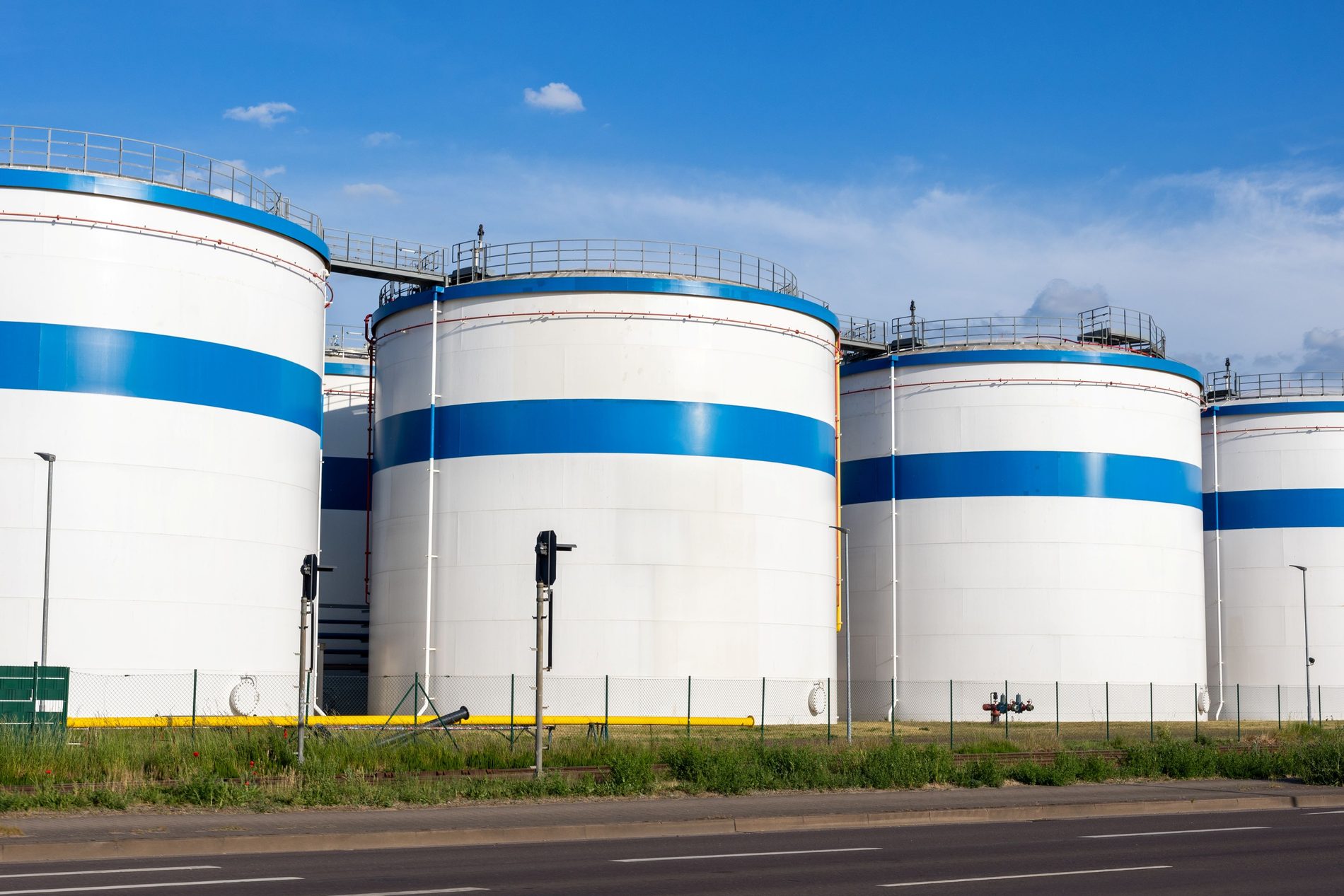
Image: Shutterstock
Diesel reserves to significantly lower fuel prices in France
The French government expects this release to result in an average price reduction of 12 to 18 cents per liter. The program is set to last for three months, running until the end of January 2027. With this move, Paris is responding to exceptionally high diesel prices, which have recently placed a significant burden on both consumers and businesses.
The ten million barrels equate to approximately 1.59 billion liters of diesel. According to government figures, France consumes about 54 million barrels over a three-month period. Consequently, the planned release covers roughly 19 percent of consumption during that timeframe. However, these reserves are not a substitute for additional refinery capacity or long-term, secure supply arrangements.
France sells diesel below market price instead of merely lending it
The government is simultaneously altering the existing procedure for strategic fuel reserves. Previously, distributors could access diesel from these reserves, provided they replaced the volume approximately one month later. Moving forward, they will purchase the released quantities at a price below the current market value. This eliminates the immediate obligation for companies to procure replacement stocks at today’s high prices.
A government decree issued on October 23 establishes the economic terms for these sales. The price is based on the historical average purchase cost of the stored fuel. Participating companies are required to pass this price advantage on to their customers. Furthermore, France has mandated documentation and oversight mechanisms to ensure that the financial relief does not remain solely with the fuel distributors.
TotalEnergies announces lower prices for motorists and farmers
The French energy group TotalEnergies has already announced specific price reductions. At its approximately 3,300 service stations, the release of these reserves is expected to lower the price of diesel by about ten cents per liter. For farmers, fishermen, and construction companies, a discount of 20 cents per liter is planned for non-road diesel. Additionally, customers purchasing heating oil will receive a reduction of 200 euros per cubic meter.
The variation in these discounts is linked, among other factors, to how the released reserves are distributed. For its retail service station business, TotalEnergies accepted a 23 percent share—a figure aligned with its market share as of 2025. According to the company, its current market share exceeds 30 percent; consequently, other suppliers will receive a larger portion of the discounted fuel stocks.
Lack of Strategic Diesel Reserves in the Event of a Renewed Supply Crisis
The release of diesel reserves creates a fundamental problem for security of supply. Strategic oil stocks are generally intended to cushion the impact of severe supply disruptions and extraordinary shortages. France is now using a portion of these reserves specifically to lower prices—a move that reduces the buffer available to handle any potential future disruptions.
The broader international context is therefore particularly significant. The war in the Middle East is affecting energy supplies and has driven up the prices of petroleum products. At the same time, restrictions resulting from the war in Ukraine remain in place. Should further supply disruptions occur, the volumes already released could be sorely missed in a future crisis.
Short-term relief creates a long-term need for replenishment
France is taking action as part of an international initiative agreed upon in early October. The G7 nations reached an agreement to coordinate the release of 100 million barrels of petroleum products, with France contributing ten million barrels of diesel. The new sales arrangement ensures that traders are not forced to procure replacement supplies at high market prices in the short term.
Consequently, the critical task is merely deferred until the strategic reserves are eventually replenished. It remains unclear when the withdrawn volumes will be fully replaced or at what cost this will occur. While the French government has secured temporary relief for consumers and the economy, it has not addressed the structural causes of high diesel prices or the nation’s dependence on international supply chains that are vulnerable to disruption.
Author: Blackout News
Sourcesn: Reuters (27.10.26) – Légifrance (24.10.26) – TotalEnergies (12.10.26) – Le Monde (08.10.26)