In the district of Freising, the development of eight planned wind turbines has stalled as of October 2026, following a significant decline in subsidies for new wind energy projects. The affected sites include four turbines each in the municipalities of Allershausen and Fahrenzhausen. Although the project in Fahrenzhausen has already received approval, the developers have decided—for the time being—not to participate in the nationwide competitive bidding process. Over the past two years, the average awarded price has fallen from 7.33 to 4.79 cents per kilowatt-hour. This has substantially worsened the economic outlook for wind power projects in Southern Germany. Consequently, the expansion of wind energy is being delayed, despite years of planning and the project costs already incurred.
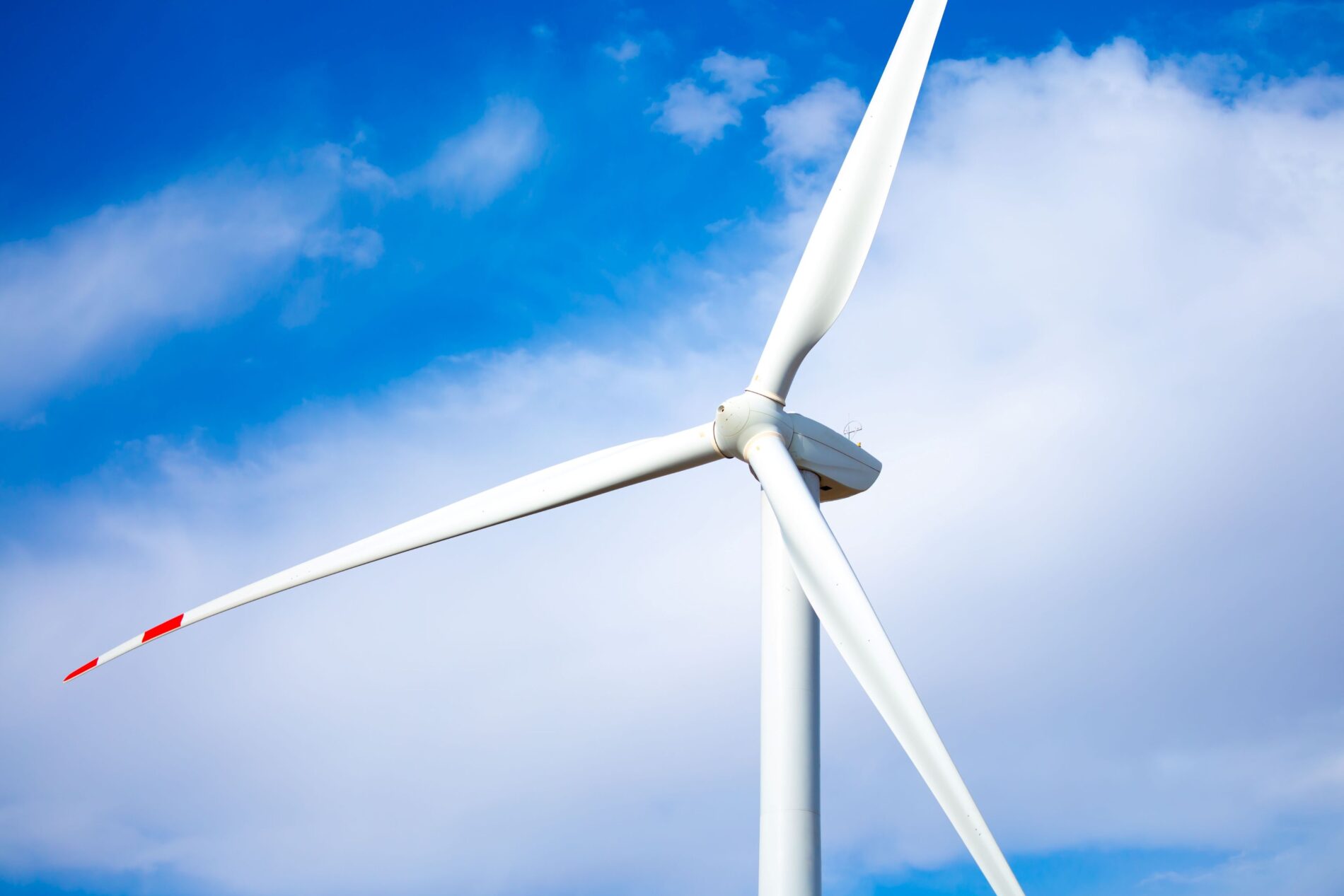
Image: Shutterstock
Declining Subsidies Make Wind Power Projects in Bavaria Unprofitable
In the Federal Network Agency’s most recent auction in August 2026, bids totaling 5,250 megawatts competed for a tendered capacity of just 2,520 megawatts. The agency ultimately awarded 237 contracts for approximately 2,523 megawatts. The average awarded price fell to 4.79 cents per kilowatt-hour—down from 5.06 cents in May 2026. Projects in Lower Saxony, North Rhine-Westphalia, and Rhineland-Palatinate proved particularly successful.
For wind power installations in Bavaria, this drop in prices exacerbates existing economic challenges. Sites in southern Germany often yield less electricity than wind-rich regions in the north. At the same time, locations in forested areas and sites with difficult access routes entail higher construction costs. According to project developers, the nationwide auction system fails to adequately account for these disparities. As a result, even wind farms that are largely ready for construction may ultimately fail from an economic standpoint.
Wind power expansion in Allershausen halted for now
The consequences are particularly evident in Allershausen, where the “Freisinger Land” citizens’ energy cooperative had intended to construct four turbines in the Schwarzhölzl forest area. The project was already at an advanced stage of planning; however, numerous landowners made it difficult to secure the necessary access routes. The project is now on hold indefinitely, compounded by a lack of a viable economic foundation.
The situation regarding permits is different in Fahrenzhausen. There, the engineering firm Sing, in collaboration with the local municipality, is planning four turbines west of Jarzt and Appercha. Each turbine is set to stand approximately 262 meters tall and have a capacity of about seven megawatts. With estimated investment costs of nine to ten million euros per turbine, the total project volume amounts to 36–40 million euros. Although the necessary permits have been secured, those in charge opted not to participate in the August tender process. Project manager Maria Burghardt concluded that, given the low bid prices, it would not be possible to win a contract that was economically sustainable.
Approved projects await political decisions
Project developers are therefore pinning their hopes on amendments to the Renewable Energy Sources Act (EEG) in 2027. Bavaria’s Minister of Economic Affairs, Hubert Aiwanger, and Green Party member of the Bundestag, Leon Eckert, are calling for special provisions for sites in southern Germany. One potential solution would be a “southern quota,” which could reserve a portion of the tendered capacity specifically for projects in southern Germany. However, prioritizing less productive sites in this manner could potentially lead to higher subsidy costs.
The planners justify their demand by pointing to regional disparities within the electricity system. While grid operators in the north are sometimes forced to curtail wind power generation during periods of high input, southern Germany is in need of additional, reliable generation capacity. Increasing wind power capacity in the south could alleviate certain grid bottlenecks. However, even with additional turbines, very little electricity is generated during extended periods of low wind. Consequently, wind turbines cannot replace dispatchable power plants, nor can they substitute for the necessary grid infrastructure.
Multi-million euro investments remain without guaranteed returns for now
Not all wind power projects in the Freising district are at a standstill. Preparations for construction are already underway for turbines in Hohenkammer and Jesenwang, as the operators secured their project awards at an early stage. Similarly, those responsible for the Ampertal wind farm—which includes sites in Fahrenzhausen and Kranzberg—are pushing ahead with preparations. According to the project developer, local citizens have already contributed approximately 1.2 million euros in the form of subordinated loans. However, a financially viable subsidy under the Renewable Energy Sources Act (EEG) remains a prerequisite for further implementation. Commissioning by the end of 2027 is considered a possibility.
The situation in Freising highlights a fundamental contradiction in the expansion of wind power: while policymakers call for more turbines, the competitive bidding process puts locations with lower wind yields at a disadvantage. A “southern quota”—a dedicated allocation for the southern region—could facilitate investment, but it would also limit competition for the most cost-effective sites. Ultimately, the additional subsidy costs would need to be financed. Without changes, further delays are likely; conversely, implementing special regional regulations could increase the overall financial burden of expanding wind power.
Author: Blackout News
Sources: Gemeinde Fahrenzhausen (12.10.26) – Süddeutsche Zeitung (07.10.26) – Merkur (20.09.26)