
The International Energy Agency has significantly raised its forecast for global coal demand. Instead of a decline, it now expects a 1.2 percent increase to 8.94 billion tonnes by 2026. This shift is primarily driven by a slump in LNG shipments through the Strait of Hormuz and sharply higher gas prices. Consequently, several countries are ramping up coal-fired power generation, while a strong El Niño phenomenon is further boosting consumption. Should restrictions in the Strait of Hormuz persist, coal consumption and prices could rise further in 2027.
LNG supply disruptions make coal power competitive again
While almost no coal passes through the Strait of Hormuz, a significant portion of LNG exports from the Gulf does. The disruptions have led to gas shortages and higher prices, prompting utilities with available coal capacity to ramp up generation. On September 10, shipping data recorded only seven cargo transits, with no LNG tankers using the passage. Consequently, regions including Europe, China, Japan, and South Korea are affected.
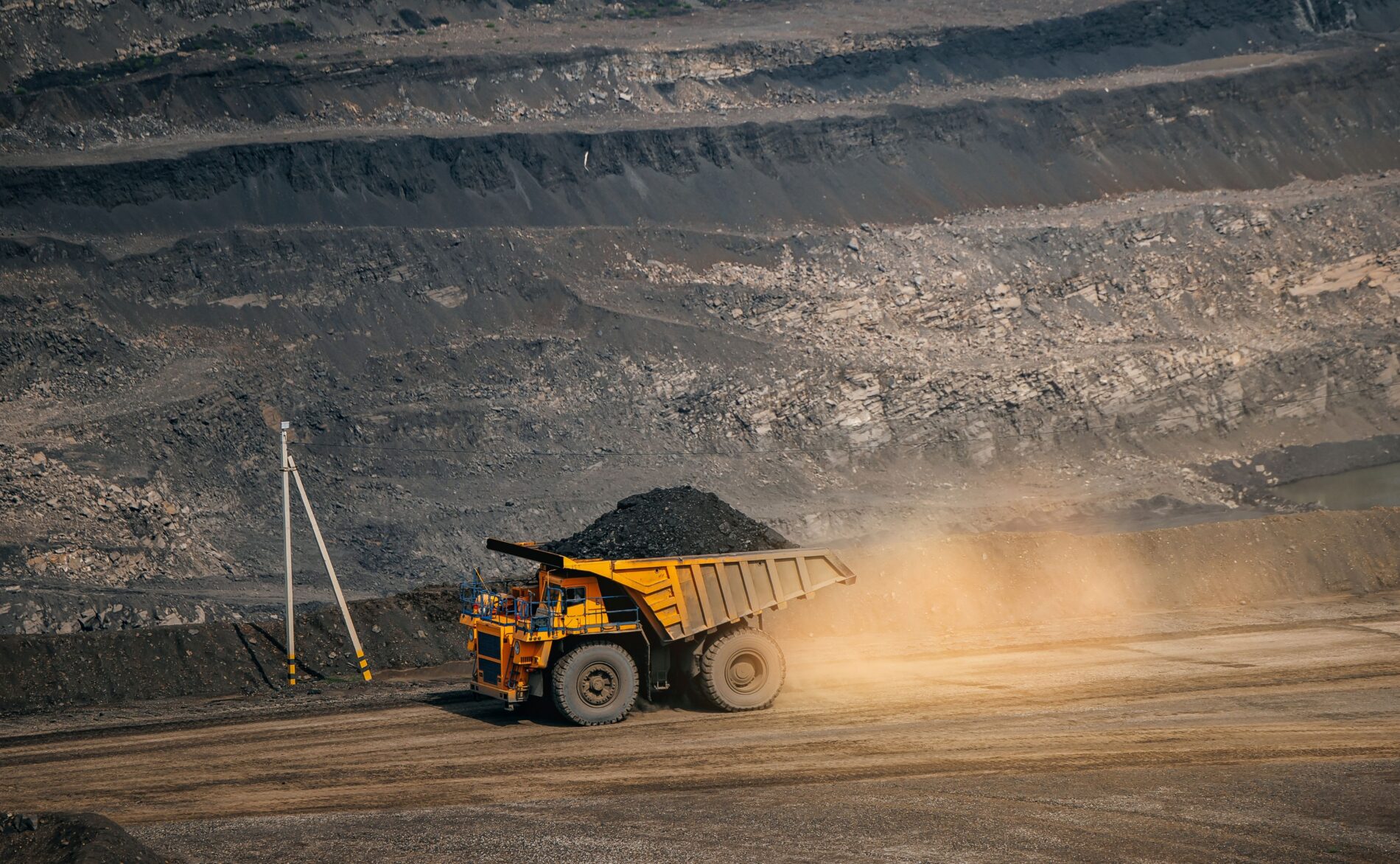
Image: Shutterstock
The supply crunch could also be prolonged. QatarEnergy is negotiating US LNG supplies extending to 2031 after attacks damaged parts of its Ras Laffan capacity. Approximately 12.8 million tonnes of annual capacity are offline, with repairs potentially taking up to five years.
Coal demand is rising, particularly in China and India
China remains by far the largest consumer, accounting for more than 56 percent of global consumption. Coal demand there is projected to rise by one percent to five billion tonnes in 2026. Additionally, high oil prices are driving up Chinese coal usage in the chemical industry.
India, meanwhile, is expected to increase its consumption by 4.2 percent to 1.353 billion tonnes. El Niño is boosting cooling demand there while simultaneously potentially reducing hydroelectric power generation. The IEA forecasts a six percent increase for South Korea, whereas Japan is expected to see a one percent decline. In the US, consumption is projected to fall by seven percent.
Lower Output Meets Record Consumption
Rising demand for coal is coinciding with tighter supplies. Following a record high in 2025, global production is projected to fall in 2026, though it will remain above nine billion tonnes. In China, safety inspections following a serious mining accident have noticeably curtailed output. Consequently, stockpiles are shrinking while import-dependent markets seek more fuel on the global market. At times during the first half of the year, the price of Newcastle thermal coal reached $150 per tonne.
The IEA anticipates a 0.4 percent decline in global consumption to 8.91 billion tonnes by 2027. However, this forecast hinges on LNG flows through the Strait of Hormuz increasing again and gas prices falling. If transport remains restricted, coal consumption could instead hit a new record. The current forecast thus illustrates how quickly security of supply can override long-term fuel trends.
Author: Blackout News
Sources: Menatrademonitor (12.09.26) – Reuters (11.09.26)