
Budapest is evaluating a pipeline from the Paks nuclear power plant to the Hungarian capital to utilize the plant’s waste heat for district heating. The municipal utility and the Technical University are conducting a joint feasibility study for the project. The initiative is driven by technical advancements and the recurring warming of the Danube caused by the plant’s cooling system. However, the long route makes permitting, financing, and operation central aspects of the assessment. No investment decision has been made yet. The project could reduce gas imports and CO2 emissions while also supplying heat to towns and industrial facilities along the route.
Budapest could meet a significant portion of its heating demand using waste heat from the Paks nuclear power plant
Large amounts of heat are generated during electricity production at Paks; consequently, some of this has historically been discharged into the Danube via the cooling system. The planned pipeline aims to harness this energy for space heating and hot water. In Paks itself, heat from the power plant has already been supplying several residential areas since the 1980s. Experts have been discussing the transport of this heat for decades, but modern insulation technology is now expected to significantly limit heat loss.
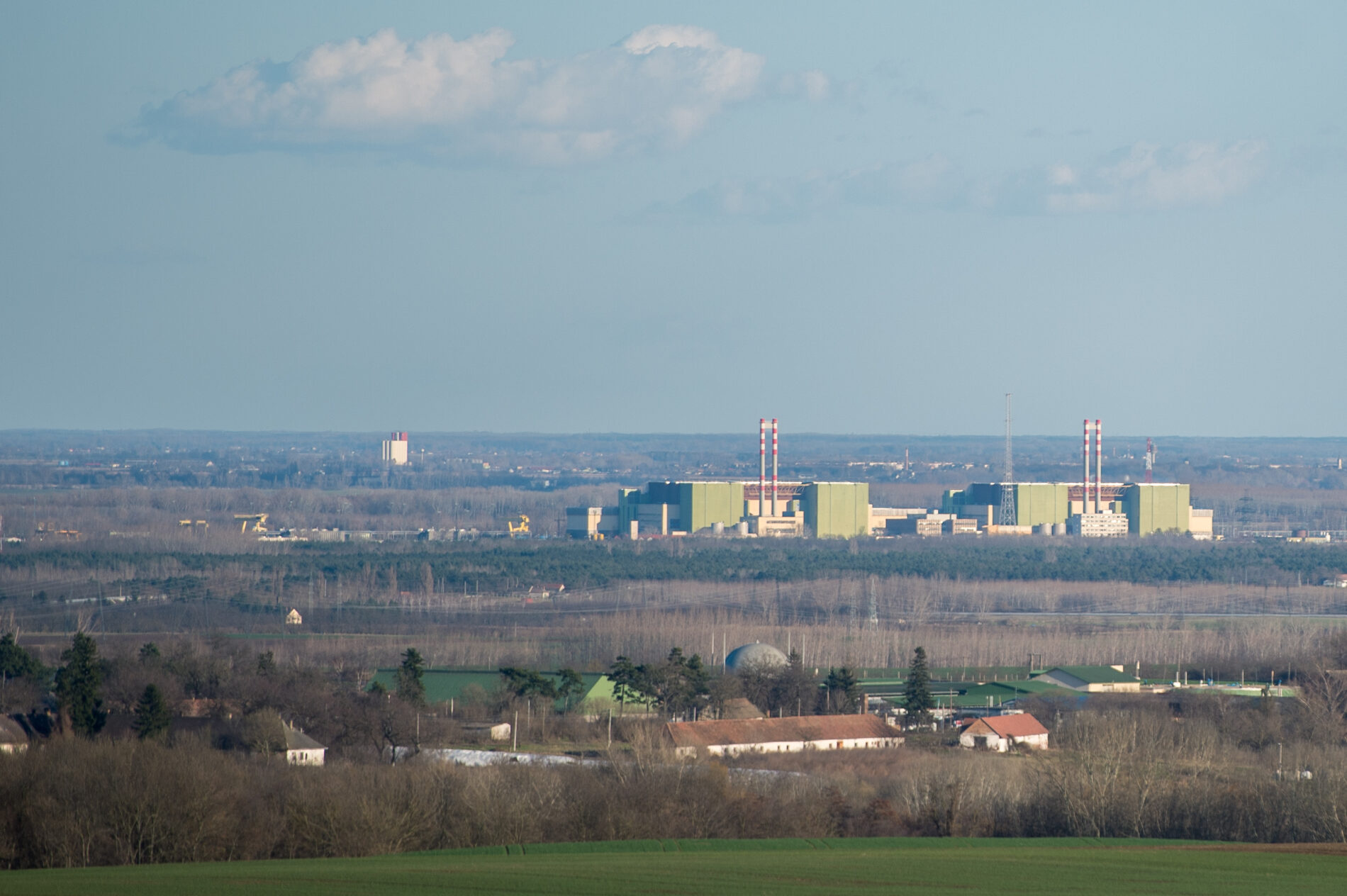
Image: Shutterstock
Budapest’s district heating demand reaches a peak load of around 1,000 megawatts in winter. In addition, the network requires approximately 100 megawatts for hot water supply during the summer. Over the past five years, new consumers with a combined load of around 100 megawatts have also been added. Heat from power plants could supply a significant portion of this demand, provided that transport losses and pumping requirements remain manageable. Preliminary estimates suggest that this could replace up to 300 million cubic meters of natural gas imports annually.
125-kilometer pipeline planned to supply additional cities and industry
The plan calls for a specially insulated pair of pipes with a diameter of 1,000 millimeters. The planned route could serve Dunaújváros, Százhalombatta, and Érd; district heating networks already exist in these locations, and industrial facilities also require additional process heat. Business parks and greenhouses could also connect to the system. A larger number of customers would improve the utilization rate and economic viability of the long pipeline. Depending on the permitting process, the underground route could run close to the Danube.
The study is scheduled for completion in the fourth quarter of 2026. However, questions regarding financing, permits, the construction timeline, and actual heat losses along the long transport route remain open. Additionally, electricity from solar installations and the nuclear power plant could power the pumps, potentially allowing the district heating network to provide added flexibility to the power grid. According to the municipal utility, if the Paks II project goes ahead, Budapest could access this heat source until the end of the century. Only the study will reveal whether transport losses, the electricity required for pumping, and overall costs allow for economically viable operation.
Author: Blackout News
Sources: Müszaki Magazin (06.07.26) – Enbudapestem (03.07.26) – Technische Universität Budapest (02.07.26) – HVG (02.07.26)