
Operators of gas storage facilities in Germany have warned that the window of opportunity for filling their sites is closing. “Technically, a fill level of around 77 percent can still be reached by November 1,” the Initiative Energien Speichern (Ines) stated on Tuesday. Consequently, the Federal Ministry for Economic Affairs does not consider Germany’s supply situation to be at risk. However, the price comparison portal Verivox is already reporting significantly higher prices.
According to Ines, gas storage facilities entered the final two months of the refilling phase with a “historically low fill level” of around 53 percent. Currently, the facilities are just over 54.5 percent full. In early September 2025, the average fill level stood at 71 percent.
Due to high global market prices resulting from the war involving Iran and the closure of the Strait of Hormuz, importing and storing natural gas is currently barely profitable. “The price differentials between injection and withdrawal are currently insufficient to cover the associated costs,” the industry association representing gas storage operators explained last week.
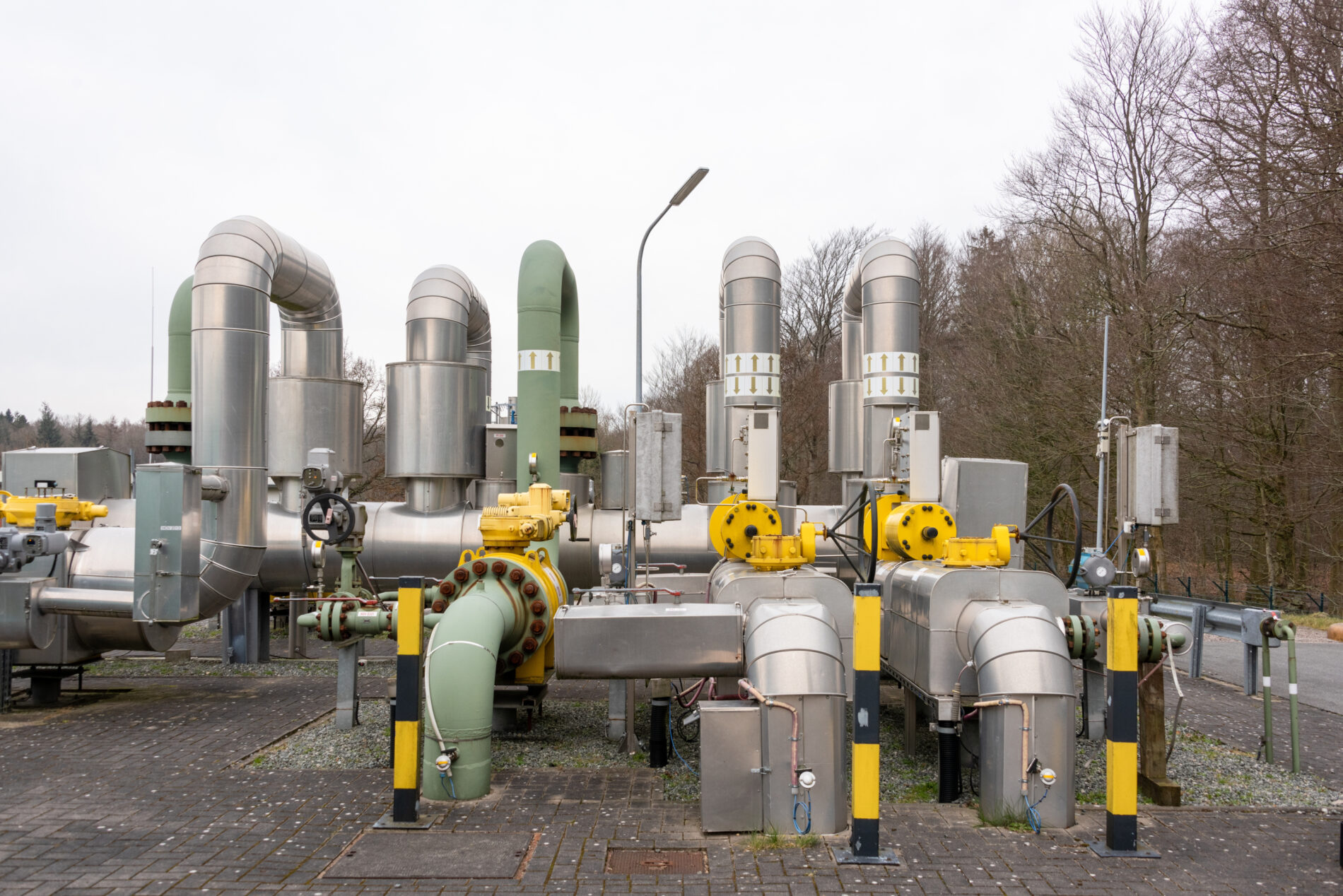
Image: Shutterstock
The crucial factor now, the association explained, is “whether storage customers actually fill their booked capacities—and whether this happens quickly enough.” However, storage operators do not consider even a 77 percent fill level—a figure that is theoretically still attainable—to be sufficient in the event of a very cold winter.
The Federal Ministry for Economic Affairs, on the other hand, sees no signs of a gas shortage, particularly because—unlike during the 2022 gas crisis—Germany now has its own liquefied natural gas (LNG) import terminals to bring in more gas on an ongoing basis. Fundamentally, it is the responsibility of the market and gas importers to ensure supply, as they have contractually committed to doing so, a ministry spokesperson said last week.
Meanwhile, prices are rising noticeably. Shortly before the start of the heating season, gas prices on the European wholesale market have climbed to their highest level in over three years, the price comparison portal Verivox stated on Monday. While higher procurement costs are not immediately reflected in existing customer tariffs, they are increasing price pressure on the gas market ahead of winter.
Federal Economics Minister Katherina Reiche (CDU) rejects state intervention. Nevertheless, the possibility remains on the table, particularly due to gas storage mandates. Government regulations require most storage facilities to be at least 80 percent full by November 1—a target that is already barely achievable in many cases. If the goals are not met, the state can order the facilities to be filled; there is a fear that gas sellers might speculate on this, as the state would likely purchase gas at any price.
The Left Party accuses the federal government of remaining “paralyzed.” “To date, there are no concrete plans or reliable reports on how it intends to cushion potential supply shortages and ensure gas supplies for the public, even during a cold winter,” stated MP Jörg Cezanne. At the parliamentary group’s request, the Bundestag’s Committee on Economic Affairs is addressing the issue on Tuesday evening.
Author: AFP – pe/jm – Translated by Blackout News
Sources: AFP Press Portal