
In the Austrian town of Kundl, Europe’s last fully integrated penicillin factory is fighting for its economic survival as of October 2026. The pharmaceutical company Sandoz is finding it increasingly difficult to compete with significantly cheaper manufacturers from China. High energy costs and low selling prices are exacerbating the situation. A closure would substantially increase Europe’s dependence on Asian suppliers of antibiotics. The facility employs more than 2,000 people. Furthermore, the supply of vital antibiotics could be jeopardized in the event of international trade conflicts. However, no decision to close the plant has been made as of yet.
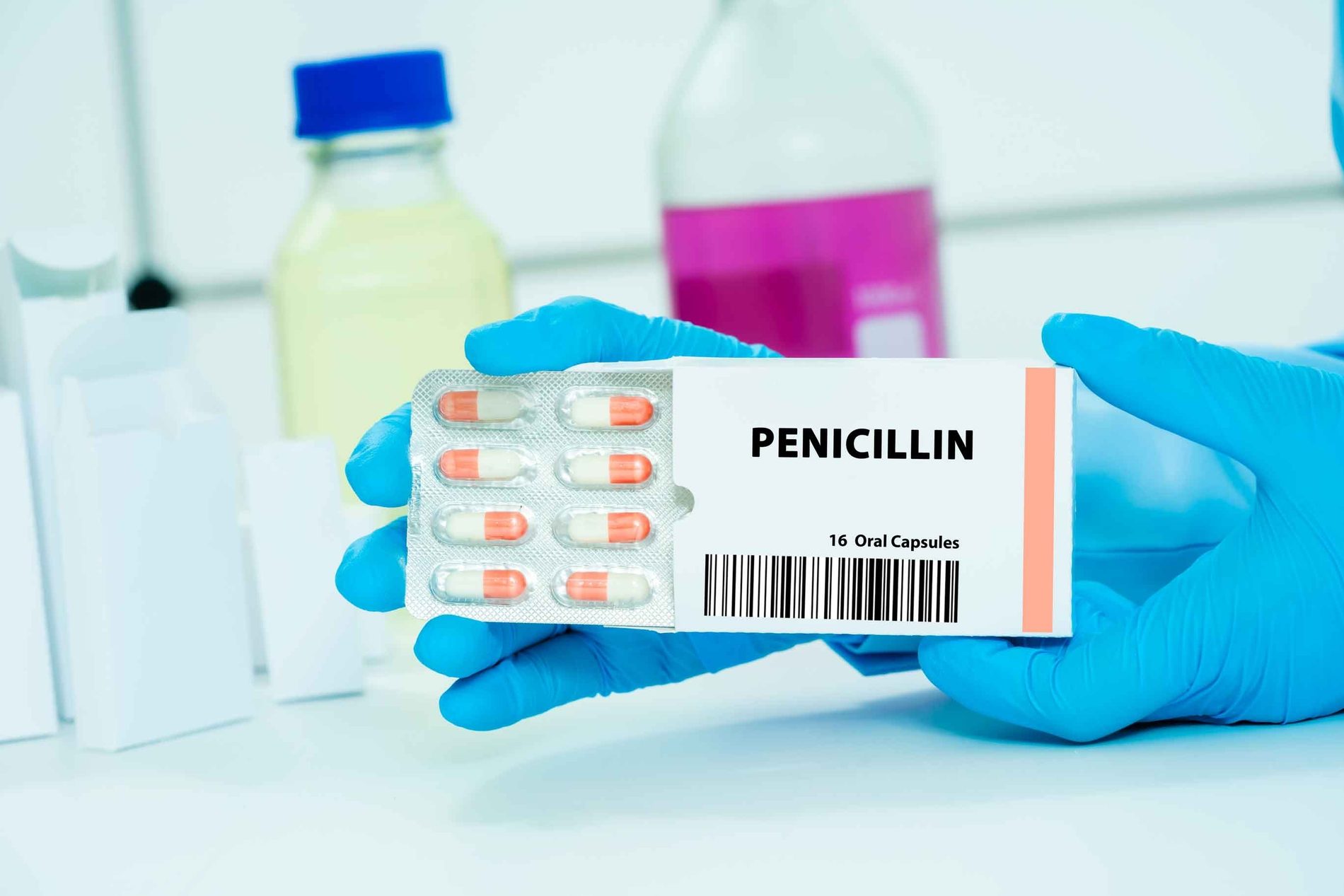
Image: Shutterstock
Penicillin from China displaces European manufacturers
China now dominates a large portion of the European market for penicillin active ingredients. According to Eurostat data, China’s share of EU imports in this category rose from 44 percent in 2019 to 86 percent in 2025. At the same time, Europe’s exports have shrunk to less than one-fifth of their previous peak. Consequently, Europe is increasingly losing its capacity to produce essential antibiotics independently of foreign supply chains.
The importance of these medications for basic medical care is particularly concerning. Approximately 1.5 billion daily doses of penicillin are used in Europe each year. Physicians rely on these antibiotics to treat conditions such as severe bacterial infections. Nevertheless, government procurement processes often prioritize the lowest price above all else. According to Sandoz, long-term security of supply is given far too little consideration in these procedures.
High electricity prices make European production unprofitable
The energy-intensive manufacturing process for antibiotics creates a significant competitive disadvantage. At the Kundl plant, large fermentation facilities first produce the biological raw materials, which Sandoz then processes into active pharmaceutical ingredients. According to the site management, the factory consumes roughly as much electricity as the entire Austrian city of Innsbruck. Meanwhile, the International Energy Agency reports that, as of 2025, industrial electricity prices in the EU were, on average, nearly 50 percent higher than those in China.
While European production costs are rising, the selling prices for penicillin are stagnating or even falling. Chinese manufacturers, by contrast, benefit from lower labor costs and more favorable industrial conditions. Industry experts also point to state subsidies and, in some cases, less stringent environmental regulations. Consequently, European manufacturers face higher operating costs, while their international competitors can offer the same active ingredients at significantly lower prices.
Substantial subsidies fail to resolve economic challenges
As recently as 2023, Sandoz invested approximately 200 million euros in expanding its Kundl facility—50 million euros of which came from public funds, including 28.3 million euros in support approved by the European Commission. This investment allowed the company to increase its production capacity by 20 percent. Nevertheless, these investments have evidently proven insufficient to permanently offset the existing economic disadvantages.
The funding provided at the time was intended to stabilize Europe’s supply of medicines. Shortages of amoxicillin in 2022 had exposed significant vulnerabilities in supply chains, leaving a critical need for this frequently used antibiotic during a wave of respiratory illnesses. The EU therefore financed additional production capacity, even as its procurement policies continued to favor low-cost imports. This creates the risk that, despite modern technology, publicly subsidized industrial facilities may not be economically viable.
Sandoz Seeks Protection Against Low-Cost Chinese Imports
In March 2026, Sandoz filed an anti-dumping complaint with the European Commission. The company accuses Chinese manufacturers of offering active pharmaceutical ingredients for amoxicillin on the European market at prices below their production costs. An investigation could, therefore, lead to the imposition of additional import duties. However, a decision is still pending; meanwhile, the Chinese government has rejected the allegations, asserting that it complies with international trade rules.
This situation has now drawn the attention of Austrian policymakers. Anton Mattle, Governor of the state of Tyrol, is calling for more decisive intervention by the EU. Yet, potential punitive tariffs would not automatically resolve the structural disadvantages faced by European manufacturers. As long as high energy and production costs coincide with procurement practices that focus almost exclusively on price, the industrial supply of medicines remains at risk. In this context, Europe faces the potential loss of its last remaining, fully integrated penicillin production chain. Rebuilding such a chain at a later stage would be significantly more costly and complex than preserving the existing facilities.
Author: Blackout News
Sources: Der Standard (24.10.26) – Ntv (24.10.26) – Heute (24.10.26)