
Sassnitz, on the island of Rügen, is losing a planned industrial project valued at 40 million euros. On October 19, 2026, the Finnish stainless steel manufacturer Outokumpu confirmed its withdrawal from the port of Mukran. The deciding factor is the lack of buyers for the waste heat generated during production. According to the company, the facility cannot be operated economically without sufficient revenue from heat sales. As a result, 25 planned jobs, potential trade tax revenue, and a long-term industrial investor are being lost. Both parties have terminated the lease agreement previously signed with the port.
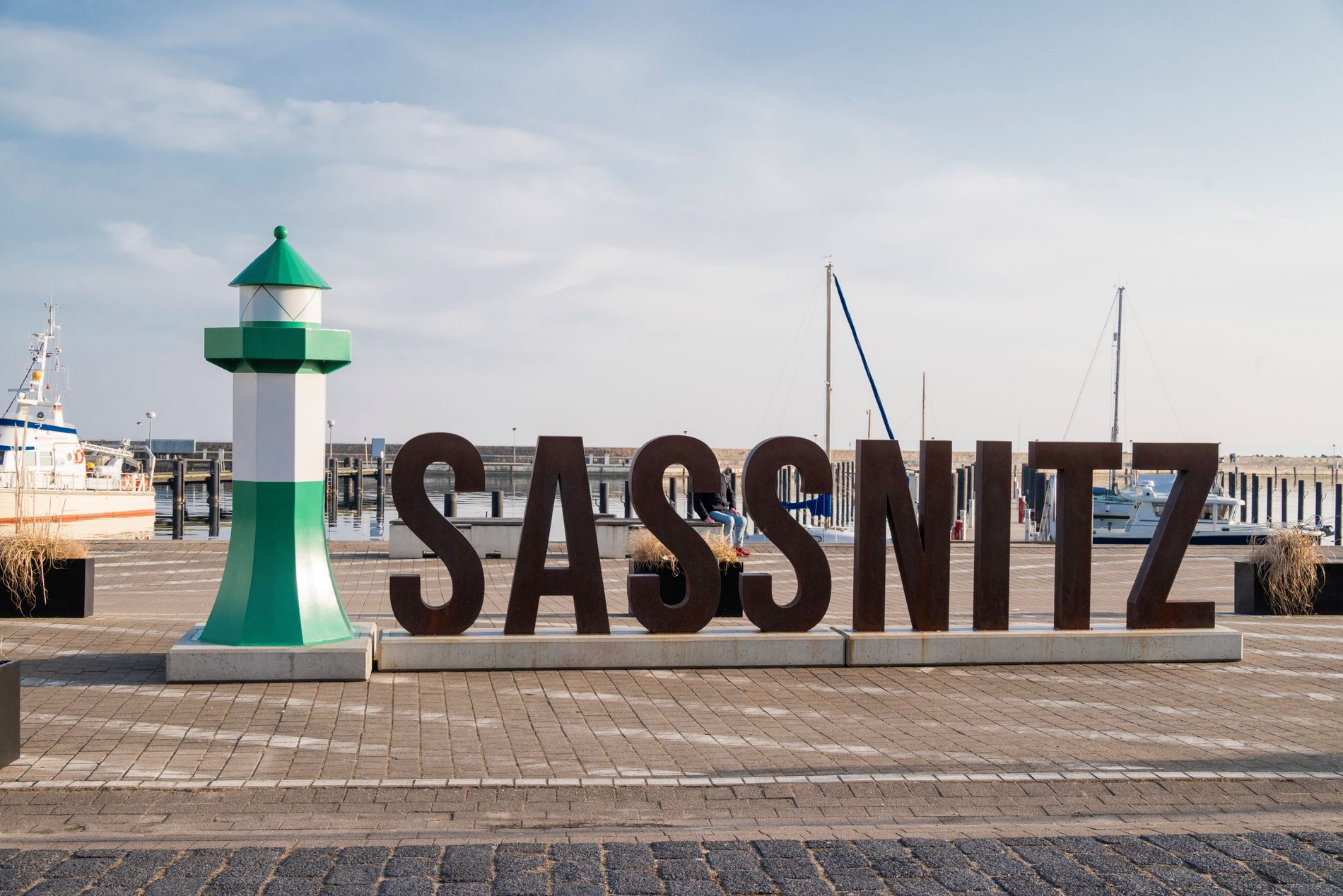
Image: Shutterstock
Lack of demand for waste heat renders industrial project economically unviable
Outokumpu intended to produce approximately 15,000 tonnes of biocarbon annually from waste wood. The project was to be housed in a former production facility—previously used for applying concrete coatings to Nord Stream 2 pipeline segments—utilizing a thermal process known as pyrolysis. This process generates biocarbon at high temperatures, which was then to be shipped to Finland. There, Outokumpu planned to convert it into biocoke to partially replace conventional coal in the production of ferrochrome.
However, the project’s economic viability did not rely solely on the sale of the biocarbon; it also depended on generating additional revenue from the waste heat produced during the manufacturing process. These proceeds were earmarked to help fund the procurement of the necessary waste wood. Yet, with a population of only about 9,000, the town of Sassnitz has a correspondingly limited demand for heat. According to the company’s calculations, there are not enough potential consumers in the region to make the project viable.
Multi-million euro investment cancelled despite advanced planning
As early as the end of 2024, Outokumpu had announced an investment of approximately 40 million euros, with commissioning originally scheduled for the first half of 2026. The project was already well into a concrete planning phase; however, the investment ultimately fell through due to a fundamental aspect of the business model. Without a sufficient off-take for the heat generated, the company would be unable to recoup its production costs as planned.
This withdrawal highlights a core challenge inherent in industrial heat concepts. Large-scale production facilities require not only energy and suitable land, but also appropriate consumers for their surplus heat. Factors such as the volume of heat, temperature, transport distance, and consumption patterns must all align. Consequently, a small municipality cannot automatically make economic use of even large quantities of heat. Without additional industrial consumers or a sufficiently extensive district heating network, such concepts remain limited in scope.
Mukran Port loses hoped-for long-term tenant
For the port of Sassnitz, this cancellation is particularly significant, as the industrial project was intended to facilitate the long-term use of existing space. The port area encompasses approximately 400 hectares of commercial and industrial land. To date, industrial activity at the site has largely consisted of temporary, large-scale projects—such as work related to the Nord Stream pipeline or the production of concrete elements for the Copenhagen Metro. Outokumpu, by contrast, would have established a permanent production presence at the site.
Mayor Leon Kräusche expressed regret over the decision, following an intensive period of collaboration with the company. The state of Mecklenburg-Western Pomerania, which holds a ten percent stake in the port, is also affected. While the state government views the failure of such investment plans as a standard economic occurrence, for Sassnitz, the withdrawal represents a tangible loss of development potential—meaning the anticipated jobs and trade tax revenues will not materialize.
New Investors Require a Viable Energy Concept
Port Director Henry Forster intends to expand energy planning to cover larger parts of the island of Rügen. In addition to industrial waste heat, the plan will incorporate wind energy, photovoltaics, and battery storage systems—extending the scope well beyond the immediate port area. According to port management, discussions are already underway with other potential investors, though no specific companies have been named thus far.
Outokumpu’s decision to withdraw highlights the extent to which industrial investments depend on economically viable energy and heat infrastructure. A suitable port location alone is insufficient; what is truly critical are reliable market outlets and long-term, predictable operating costs. Consequently, the failed industrial project leaves behind more than just an unused production site: Sassnitz has lost a concrete investment commitment, while the search for a sustainable, economically viable development concept continues.
Author: Blackout News
Sources: Market Steel (21.10.26) – Berliner Zeitung (19.10.26) – Ostsee-Zeitung (19.10.26)