News

Evictions at record levels – rising housing costs exacerbate the social crisis

Evictions are noticeably increasing in Germany, and at the same time, rents, housing poverty, social housing, and tenant protection are increasingly coming into political focus. Within a year, more than 32,000 households lost their homes, even though many of those affected had previously paid their rent regularly. Rising rents and the growing burden of housing […]

Evictions at record levels – rising housing costs exacerbate the social crisis Read More »

Energy transition costs – model calculation shows wind power and storage drive electricity prices

The debate surrounding the costs of the energy transition is intensifying, as the question of what a complete energy supply actually costs increasingly remains unanswered. The example of a medium-sized German city demonstrates that electricity prices, infrastructure costs, and land use are significantly higher than often portrayed. The interplay between wind power, large-scale storage, and

Energy transition costs – model calculation shows wind power and storage drive electricity prices Read More »

Russian gas in Europe – how Hungary and Turkey are strategically circumventing EU sanctions

Russian gas in Europe remains a geopolitical bone of contention, even though the European Union has decided to phase it out. Hungary, however, is pursuing its own course because security of supply and price stability are paramount for Budapest. Viktor Orbán is deliberately relying on Turkey to secure Hungary’s energy independence and circumvent Brussels’ regulations

Russian gas in Europe – how Hungary and Turkey are strategically circumventing EU sanctions Read More »

Failure of climate policy – COP 30 reveals the gap between aspiration and global reality

The failure of climate policy became undeniably clear at the COP 30 climate conference in Belém, as the gap between aspiration and reality continues to widen. While the European Union remains steadfast in its pursuit of climate neutrality, other countries are pursuing pragmatic energy and economic policies. COP 30 made it clear that global climate

Failure of climate policy – COP 30 reveals the gap between aspiration and global reality Read More »

Rising unemployment among university graduates is shattering the myth of a secure university education

Rising unemployment among university graduates is fundamentally changing the German labor market because a university degree no longer offers reliable protection. Although businesses have long clamored for qualified personnel, more and more graduates are left without jobs, and even experienced professionals are losing their jobs. The job market for university graduates is in crisis, while

Rising unemployment among university graduates is shattering the myth of a secure university education Read More »

The relocation of German companies – why Germany is losing its appeal as a business location

The exodus of German companies is developing into a major risk for Germany as a business location, due to a convergence of economic policy obstacles, rising costs, and international competition. Numerous background discussions with business owners and market observers reveal a consistent picture: investments are being postponed or directly relocated abroad. For investors, this development

The relocation of German companies – why Germany is losing its appeal as a business location Read More »

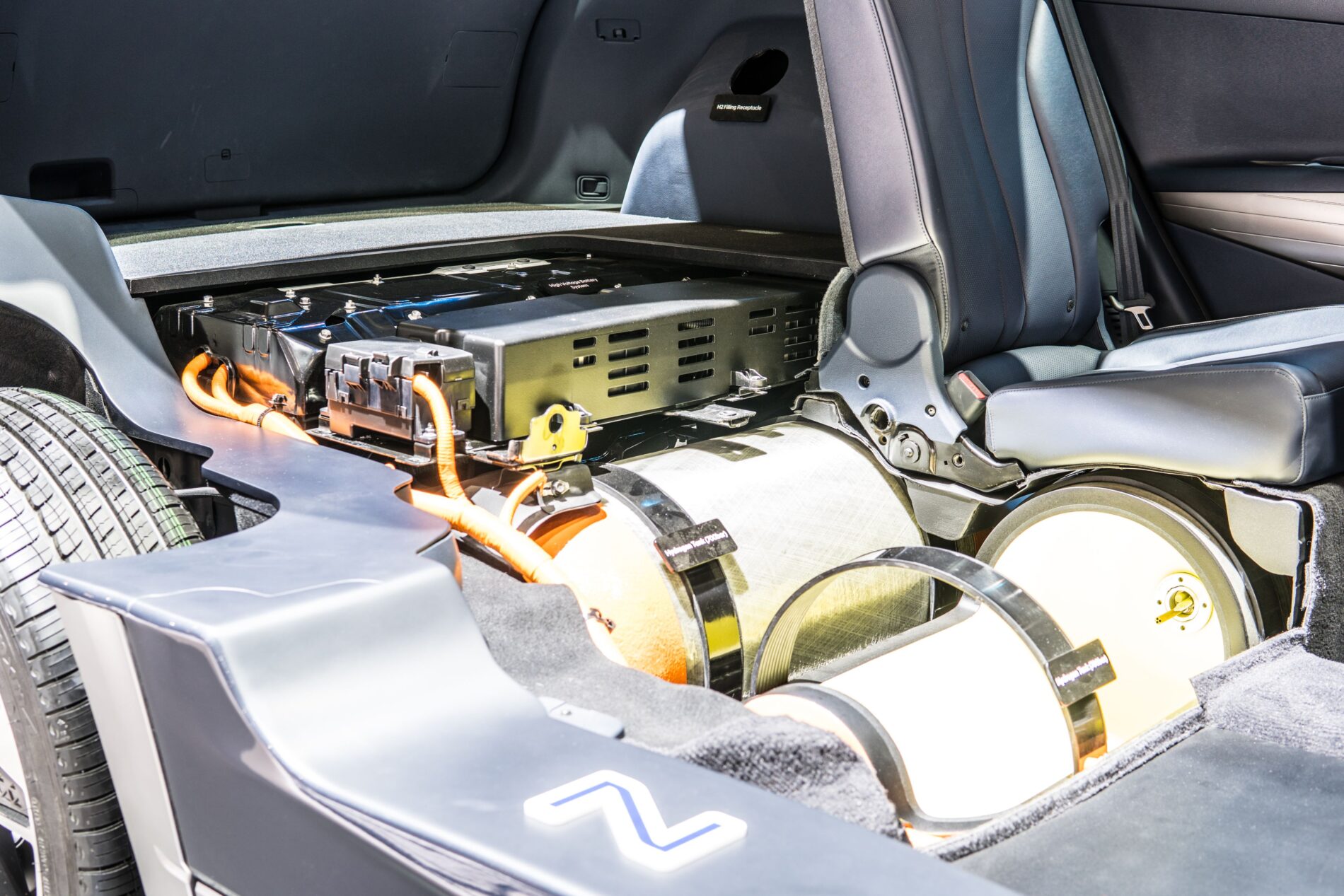
Subsidies for electric cars cost billions but have hardly any climate impact

The new electric car subsidy program is intended to be socially balanced and reduce emissions, but the promised climate impact has failed to materialize. Despite high subsidies, the climate footprint of the transport sector has barely improved, even though billions are being spent. The electric car subsidy generates attention, but it has not noticeably changed

Subsidies for electric cars cost billions but have hardly any climate impact Read More »

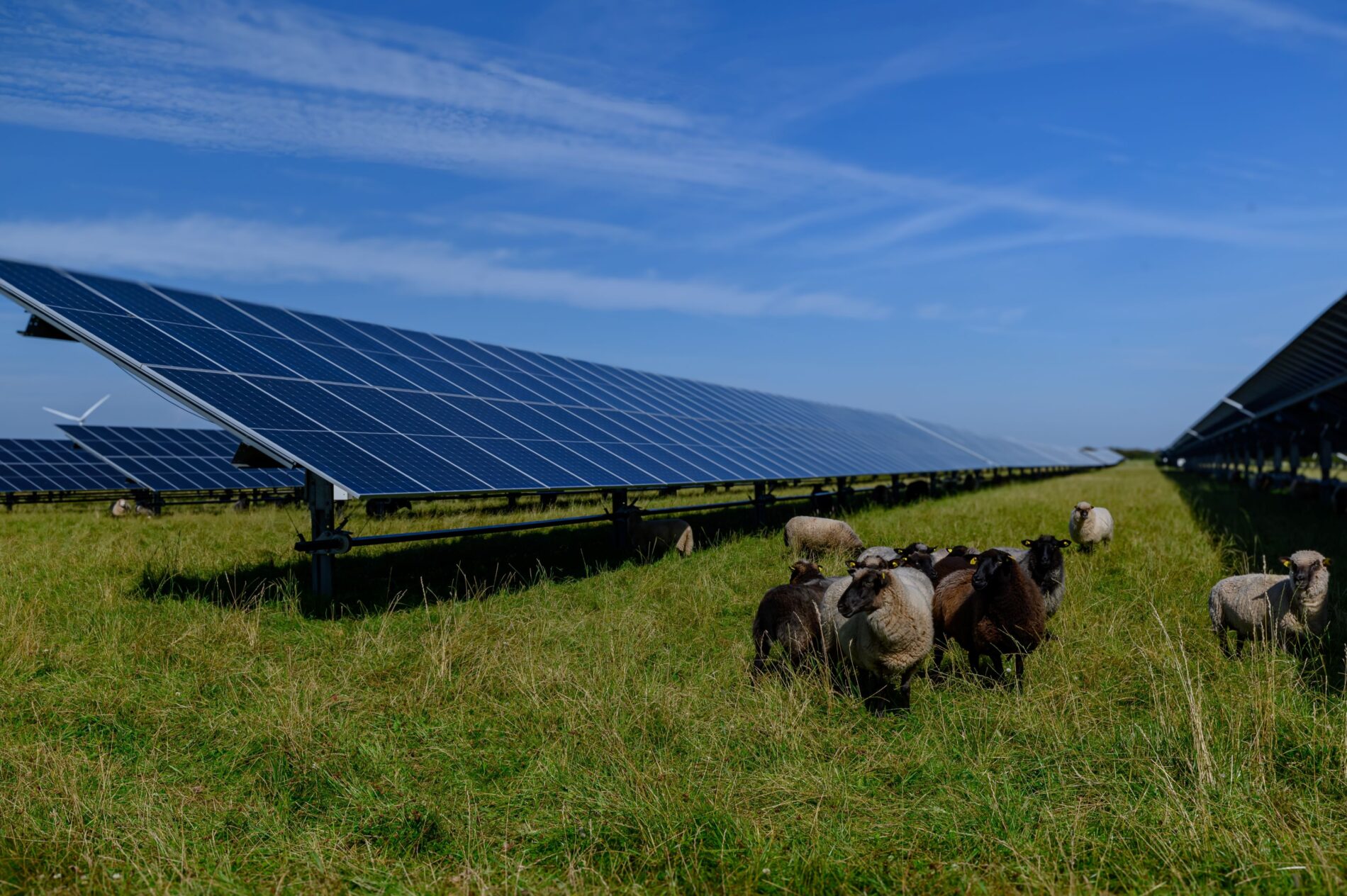
The expansion paradox – ever-increasing nominal capacity from wind and solar power generates hardly any more electricity

Germany is rapidly increasing its installed capacity of wind and solar power. Nevertheless, the actual amount of electricity generated is barely growing. This paradox lies at the heart of Germany’s energy transition. Despite continuous expansion, the real electricity supply remains virtually stagnant. The expansion increases theoretical capacity, but not the available amount of energy. Periods

The expansion paradox – ever-increasing nominal capacity from wind and solar power generates hardly any more electricity Read More »

Political and economic significance lost – Westbayernring power line on the verge of collapse

The West Bavaria Ring power line is losing its foundation. Transmission system operator TenneT has deemed the project uneconomical, and it is also absent from the current grid development plan. This sidelines an expansion project that was long considered crucial for the energy transition. Decisive factors include new assumptions about grid load, shifting priorities in

Political and economic significance lost – Westbayernring power line on the verge of collapse Read More »

No subsidies, no investment – ​​wind power project developer Eurowinds faces US withdrawal

The withdrawal of Danish wind farm developer Eurowind from the United States marks a turning point for the entire energy market. Investors react sensitively as soon as subsidies cease and stable returns are no longer guaranteed. This is precisely the trend shaping the current electricity market in the US. Capital providers are pulling out because,

No subsidies, no investment – ​​wind power project developer Eurowinds faces US withdrawal Read More »

CO₂-negative combustion engine – how Mazda questions the combustion engine ban

Mazda is developing a CO₂-negative combustion engine, deliberately positioned against the trend of full electrification. The goal is a powertrain that, theoretically, binds more carbon dioxide than it releases. This concept combines climate protection with existing technology and brings the combustion engine back into focus. At the same time, however, a key conflict emerges: a

CO₂-negative combustion engine – how Mazda questions the combustion engine ban Read More »

Banks are outbidding each other to finance Poland’s first nuclear power plant

Interest in financing Poland’s first nuclear power plant has exceeded all expectations. Polskie Elektrownie Jądrowe successfully positioned the project on the market, while banks from several continents expressed concrete willingness to participate. This oversubscribed commitment not only strengthens the financing but also the role of the nuclear power plant in the future energy system. At

Banks are outbidding each other to finance Poland’s first nuclear power plant Read More »

The closure of the last silicon factory demonstrates the failure of German raw materials policy

With the closure of the last silicon production facility in Germany, the gap between political ambition and economic reality has reached a new peak. For years, the German government has emphasized a more independent raw materials policy, a stronger industrial policy, and less dependence on China. Yet, in Pocking, the last German silicon factory is

The closure of the last silicon factory demonstrates the failure of German raw materials policy Read More »

EPA removes human influence from key US climate documents

The EPA has fundamentally restructured its public climate change content. Several climate documents now omit references to human influence, even though previous versions clearly addressed this aspect. The U.S. environmental agency is thus not only changing the text but also the emphasis placed on scientific positions. At the same time, government climate policy is taking

EPA removes human influence from key US climate documents Read More »

Dutch grid operators sound the alarm – no security of supply without gas-fired power plants

The Dutch power grid regularly reaches its technical capacity limits in many regions, prompting grid operators to sound the alarm. The impending decommissioning of major gas-fired power plants further exacerbates the situation, as power outages appear likely from 2028 onward. Security of supply in the Rotterdam metropolitan area is particularly under pressure, while the grid

Dutch grid operators sound the alarm – no security of supply without gas-fired power plants Read More »

Scroll to Top